


phtala | The Allure of Strategic Challenges: Exploring the World of 'Phtala'
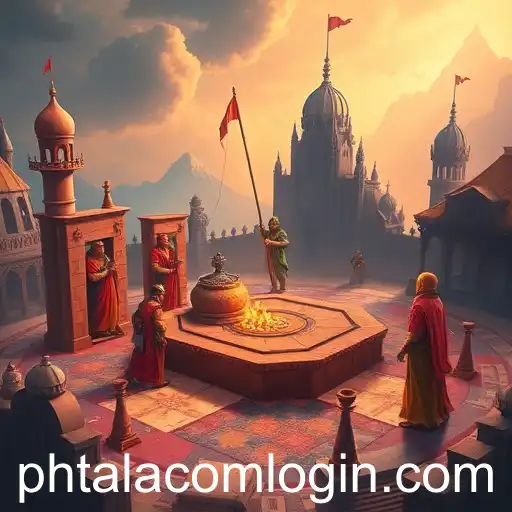
In the dynamic world of online gaming, the category of 'Strategic Challenges' has emerged as a significant and engaging segment for players seeking intricate gameplay and intellectual stimulation. One of the intriguing keywords associated with this category is 'phtala', which has captivated the interest of gaming enthusiasts and developers alike.
At its core, 'Strategic Challenges' push players to navigate complex scenarios by employing tactics, foresight, and critical thinking. These games are designed to test a player's ability to plan ahead, manage resources, and outmaneuver opponents. Within this landscape, 'phtala' serves as an emblematic term that signifies both challenge and intrigue, often hinting at hidden layers of strategy waiting to be uncovered.
The appeal of 'Strategic Challenges' lies in their ability to engage players on multiple levels. Unlike traditional action-oriented games that rely heavily on reflexes, strategic games demand a deeper level of involvement. Players must often make careful decisions, considering not only their immediate goals but also the long-term ramifications of their actions. This depth and the potential for multiple outcomes make the gameplay experience rich and rewarding.
Games categorized under 'phtala' often feature unique worlds and settings where every decision can alter the course of the game. Whether it’s a board-based turn game, a real-time strategy scenario, or a complex civilization-building simulation, each presents its own set of 'phtala' challenges that require innovative strategies. Gamers are drawn to the excitement and satisfaction that comes from solving these challenges, leading to a sense of achievement that is both personal and shared within the gaming community.
Moreover, the growing community around 'Strategic Challenges' speaks to the genre's broad appeal. Forums and online platforms teem with discussions, strategies, and shared experiences, creating a vibrant ecosystem around the keyword 'phtala'. This collaborative element allows players to learn from each other and refine their strategies, further deepening their involvement with the games.
As technology continues to advance, the future of 'Strategic Challenges' looks even more promising. The integration of AI and machine learning into game development opens new possibilities for creating adaptive and intelligent gameplay environments. These advancements promise to elevate the complexity and engagement level of 'phtala' games, offering even more sophisticated challenges that push the boundaries of strategy gaming.
In conclusion, 'Strategic Challenges' stand as a testament to the intellectual appeal of video games, with 'phtala' serving as a fascinating node within this realm. As more players seek out these sophisticated gaming experiences, the category is poised for continued growth and innovation.
